Practical ideas for running social media with AI
Short, useful articles about planning, creating, scheduling, and publishing social media content with AI Smart.

Preview Cards Decide Trust
The link card is not metadata hygiene. It is the first trust filter in a social workflow: it decides whether the caption, page, and offer get a chance to work.

Link Previews Need Ownership
A link preview decides whether a shared page looks intentional before the caption is read, so the preview image should be owned, checked, and attached to the publishing workflow.

Image Size Shapes Reach
Social images are not just design assets. The crop, format, and file size decide whether a post is readable, reviewable, and ready to schedule across platforms.

Recommendations Need Lanes
AI can now suggest creators, creative assets, campaign optimizations, and next actions faster than most teams can review them. The missing layer is not more manual work. It is approval lanes that tell the system what can ship, what needs context, and what must be held back.

Profiles Need Source Memory
Creator and brand discovery is moving toward official profiles, AI assistants, and cross-platform context. Social teams need one source memory that keeps profile links, pinned proof, campaign claims, and content priorities aligned before posts create conflicting signals.

Partner Posts Need Proof Packets
Creator partnerships are becoming measurable, reusable campaign assets. Teams need a proof packet that keeps rights, approvals, disclosure notes, source links, and measurement expectations attached before the post is scheduled or boosted.

Reviews Need Next Actions
Meta Creator Assistant, YouTube Ask Studio, and TikTok Creator Search Insights all point to the same operational shift: social performance review is becoming conversational. Teams need weekly review memory that turns metrics into one clear next planning, scheduling, or approval decision.

Serialized Content Needs Workflow Memory
TikTok's new micro-series push and YouTube's expanding creator shows point to the same shift: social content is becoming episodic. Teams now need repeatable episode lanes, approvals, and recap memory instead of treating every post like a one-off asset.

Series Cadence Needs Recap Notes
Serialized social programs need recap notes, cadence rules, and approval memory so AI can help plan the next episode without breaking continuity.
Creator Briefs Need Approval Memory
Creator and B2B social programs scale better when every brief carries approval history, audience context, and measurement intent into the publishing workflow.

Synthetic Cuts Need Native Proof
As platforms reward originality, AI-assisted short video workflows need native proof signals before content reaches the publishing queue.

Remix Needs Source Memory
Remixed and AI-assisted content needs a durable source trail so teams can scale creation without losing originality, disclosure, or approval context.

Search Hubs Need Intent Lanes
Social search is no longer a passive discovery surface. AI Smart teams should separate planning, proof, and conversion intents before content enters the calendar.

AI Labels Need Workflow
YouTube's more visible AI labels show why teams need a clear content workflow for real capture, AI-assisted edits, and synthetic assets before publishing.

Native Video Beats Synthetic
Snapchat Spotlight is another reminder that AI-assisted content planning still needs real capture, platform fit, and native signals.

Inner Circles Need Lanes
Instagram Instants shows why social media planning needs separate lanes for public growth and close-friend retention.

Search Needs Answer Clusters
AI-driven social search rewards content plans that answer connected questions, not isolated prompts or random posts.
LinkedIn Video Wants Experts
LinkedIn's video guidance points to a practical B2B shift: short video works best when it carries expert judgment, cultural awareness, and a clear human point of view.

Originality Needs Content Memory
Instagram's wider push against low-effort reposting is a warning for every social team: originality is not just a creative standard, it is a planning system.

Search Turns Conversational
YouTube's new Ask YouTube experiment is a sign that social search is moving from keyword matching toward follow-up questions and answer-shaped content.

Cover Frames Win Distribution
Your cover frame is your silent hook: it sets expectations, filters who clicks, and shapes what the algorithm learns about your content. Plan covers as a testable asset and you can improve retention signals without changing the core idea.
Search Posts Need Answers
Social search rewards posts that answer a real question clearly, not just posts that chase reach. Plan your next content batch like a small answer library, and the same ideas become easier to find, reuse, and learn from.

Series Planning Beats Random Posts
A well-designed series gives algorithms clear signals and gives you cleaner learning loops—without posting more.

Audience Drift Needs Reset
If your reach feels random, your content may be teaching the platforms the wrong audience. Here’s a practical way to keep signals clean and recover distribution.
Hooks Need Retention Planning
A strong opening is no longer just a creative trick. It should be planned as the first step in a retention loop that tells you what to repeat, cut, or reframe next.
Discovery Now Starts Social
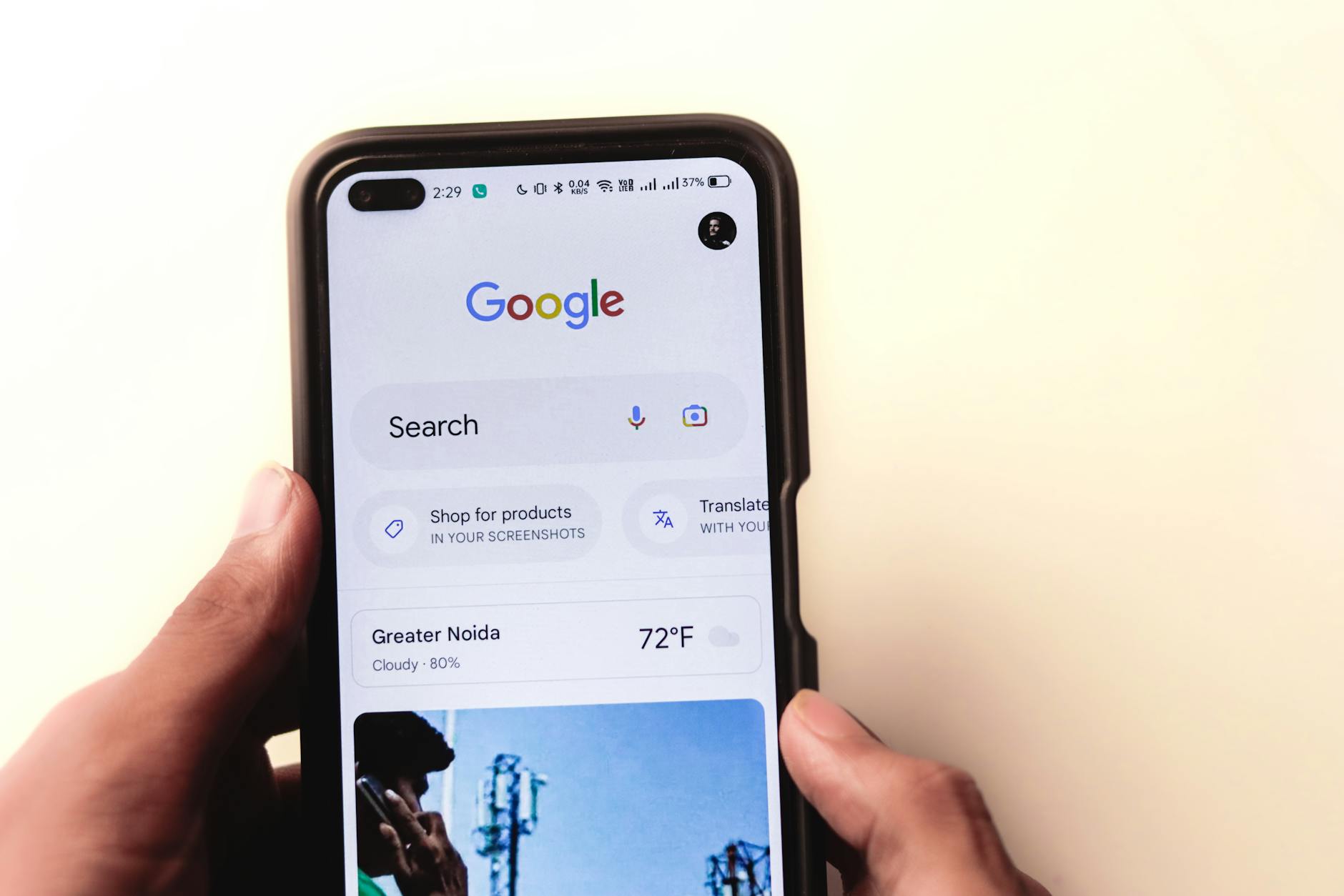
People are not only scrolling social feeds anymore. They are searching, comparing and testing intent inside platforms before they ever reach a website.

Timing Needs Audience Signals
The best publishing time is not a universal hour. It is a pattern built from audience habits, content format, platform behavior and campaign rhythm.

Algorithms Reward Clear Formats
Platform algorithms are complex, but weak content often fails for simple reasons: unclear promise, weak format, no retention path and no reason to engage.

Content Calendars Need Loops
A calendar that only stores future posts becomes stale quickly. The stronger version connects research, creation, scheduling and learning into one repeatable loop.